
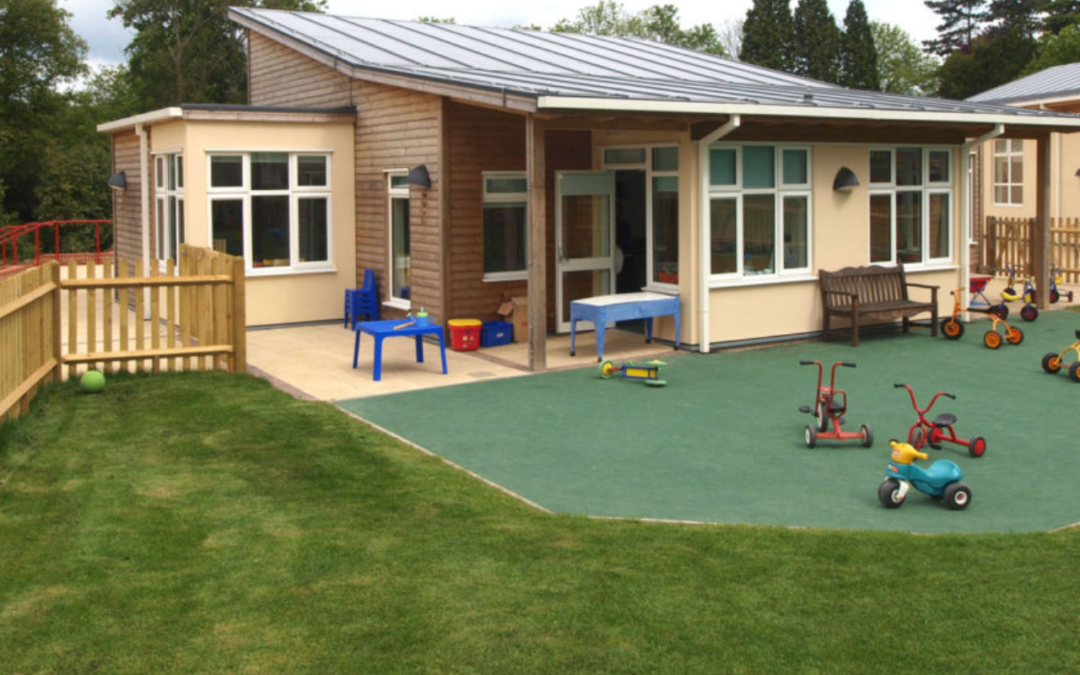
Refurbishing school buildings while keeping operations running is different from most construction projects. Buildings remain in constant use and even minor disruption can affect teaching and overall school performance. As a result, projects must be carefully planned, coordinated, and managed from the outset. In this article we examine some of the considerations when working in a live educational environment.
Understanding the Constraints of School Environments
School sites present a unique set of operational constraints. Shared spaces such as halls and dining areas are in daily use. Any works taking place must be designed around these patterns.
Health and safety is also a key consideration. Segregation of construction areas, clear signage, and controlled access points are essential. This it to ensure pupils, staff, and contractors can safely co-exist on site. It is particularly important in primary schools, where movement is less predictable and supervision requirements are higher.
Noise, dust, vibrations, and products being used must also be managed carefully. Works that may be easier on other projects, such as demolitions or roof replacements, can have a significant impact, especially in a live teaching environment if not properly timed and controlled.
Phases and Programme Management
A well-considered programme is critical to success. Rather than approaching works as a single construction project, they are often broken down into phases aligned with the academic calendar.
Holiday periods like Easter and half-term provide key opportunities for more disruptive activities. However, these windows are often short and require detailed planning well in advance. Term-time works, must be carefully sequenced to ensure that the spaces remain operational.
In many cases, temporary accommodation or decant strategies may be required. This could involve relocating classrooms within the existing building or introducing temporary units to maintain capacity while works progress.
Funding and Early Project Planning
Funding remains a significant issue for school refurbishment projects. Many schemes are reliant on programmes such as the Condition Improvement Fund (CIF), School Condition Allocations (SCA), or other government-backed initiatives. These often come with a strict criteria and deadlines.
Early engagement is essential to align project timelines with these funding requirements. This includes developing clear cost plans and defining the priorities. Delays or inaccuracies at this stage can impact funding approval or lead to problems later in the project.
As highlighted in our recent education article early intervention is key. Identifying issues early and planning proactively can help avoid unnecessary costs and strengthen funding applications.
A clear understanding of costs, risks, and programme constraints allows schools and those working on the project to make informed decisions before committing to delivery.
Managing Risk, Cost, and Delivery
Working in a live environment increases project risk. Unforeseen issues, such as hidden defects in older buildings, can have a direct impact on the project schedule and budget if not properly managed. Ongoing cost control and clear communication between all parties is essential. This includes regular reporting, proactive risk management, and ensuring that any changes are assessed and agreed quickly to avoid delays.
Procurement strategy also plays an important role. Selecting the right contractor with experience of working in occupied environments can significantly reduce risk and improve overall project outcomes.
The Role of the Project Team
Successful school refurbishment projects rely on a coordinated approach from the start. Surveyors and project managers play a key role in guiding projects from initial feasibility through to completion.
This includes establishing realistic budgets, managing contracts, and ensuring that projects are delivered. These should be in line with both the proposed programme and funding requirements.
Chawton Hill supports clients refurbishing school buildings throughout the process. We aim to provide a consistent approach from early planning through to delivery. Helping to ensure that refurbishment works are completed safely, efficiently, and with minimal disruption to the school environment. If you are planning refurbishment works in a live school setting, early planning and the right support can make a significant difference to both delivery and outcomes.
Speak to Dave and James, who specialise in education projects, or get in touch with the team to find out more.